
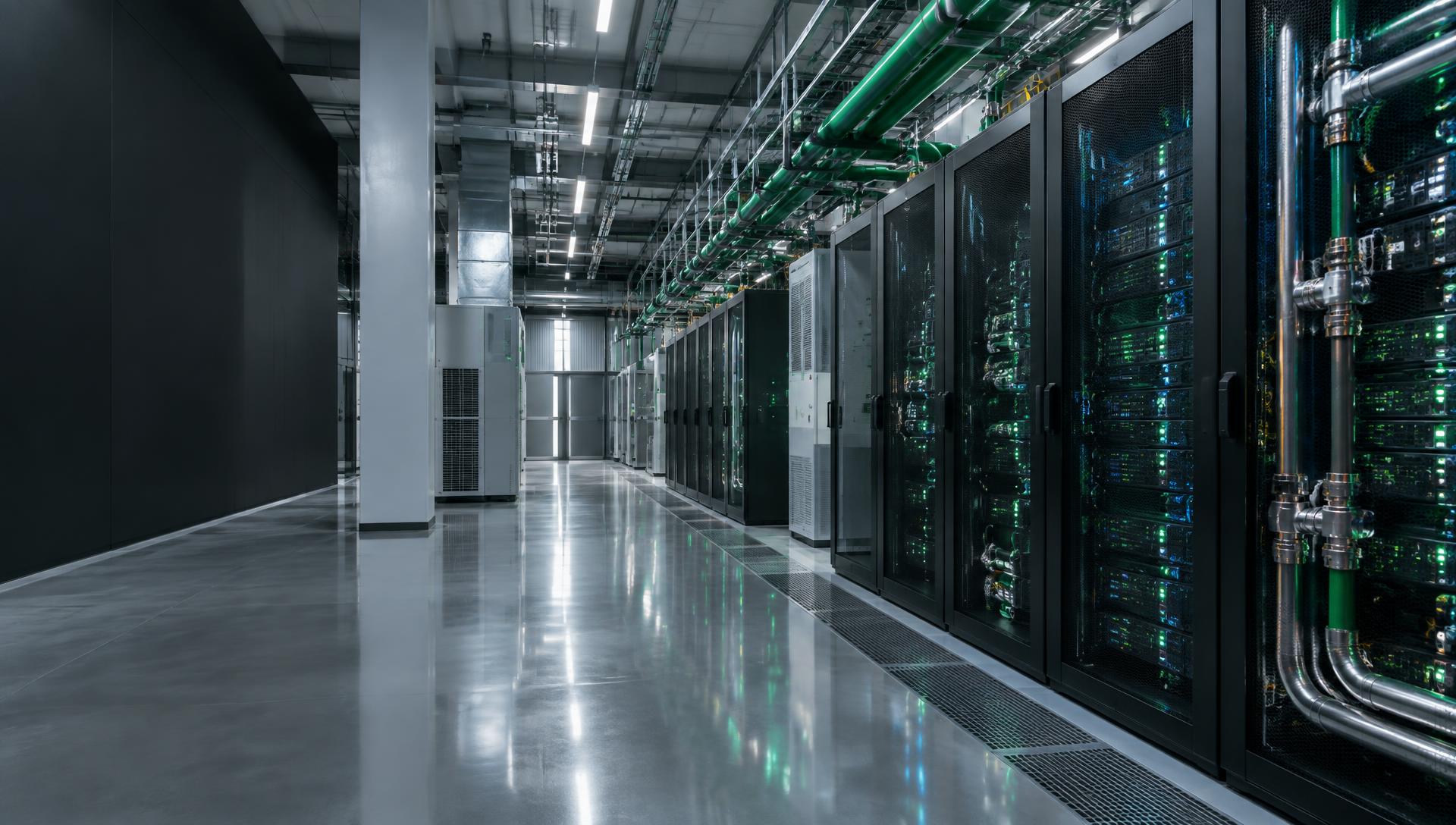
Intelligent Infrastructure for a Sustainable Digital Future
GreenNext explores how AI-ready data center infrastructure, energy-aware operations, and intelligent automation can support resilient digital systems across South India.
Where Digital Infrastructure Meets Intelligence
Modern AI workloads demand more than raw compute. They require reliable systems, efficient energy management, scalable architecture, and intelligent operational control. GreenNext brings these requirements into a single, coherent infrastructure model.
"GreenNext helps shape smarter, more efficient, and intelligently managed digital infrastructure for the AI era across South India."
Read About GreenNextFoundational Infrastructure Capabilities
AI-Ready Infrastructure
Infrastructure designed to support demanding AI and high-performance compute workloads where compute density, power draws, and thermal dissipation behave differently from conventional enterprise applications.
Energy Efficiency
Reference approaches for monitoring power delivery and cooling requirements, treating energy performance as an engineering discipline rather than overhead.
Smart Automation
Reference workflows for monitoring, alert management, anomaly detection, and capacity planning that can support more consistent infrastructure responses.
Regional Connectivity
A distributed regional approach designed around the infrastructure and connectivity requirements of seven South Indian regional nodes.
Infrastructure Intelligence, at your pace
Move from a high-level view to a clearer technical conversation through focused, lightweight experiences for architecture planning.
Explore Infrastructure
See how compute, network, storage, cooling, and power fit together.
Open experienceConfigure Your Environment
Shape an illustrative starting point around workload, scale, and priority.
Open experienceMeasure Energy Impact
Use transparent assumptions to estimate workload energy and cooling demand.
Open experienceExplore Regional Hubs
Compare GreenNext's existing MDU, CJB, TRZ, and IXE planning narratives.
Open experienceStart a Technical Conversation
Bring a workload, architecture, energy, or regional question to the team.
Open experienceThe AI Infrastructure Operational Pipeline
AI workloads create demanding requirements across compute, power, cooling, and telemetry. GreenNext connects each tier into an integrated operational system.
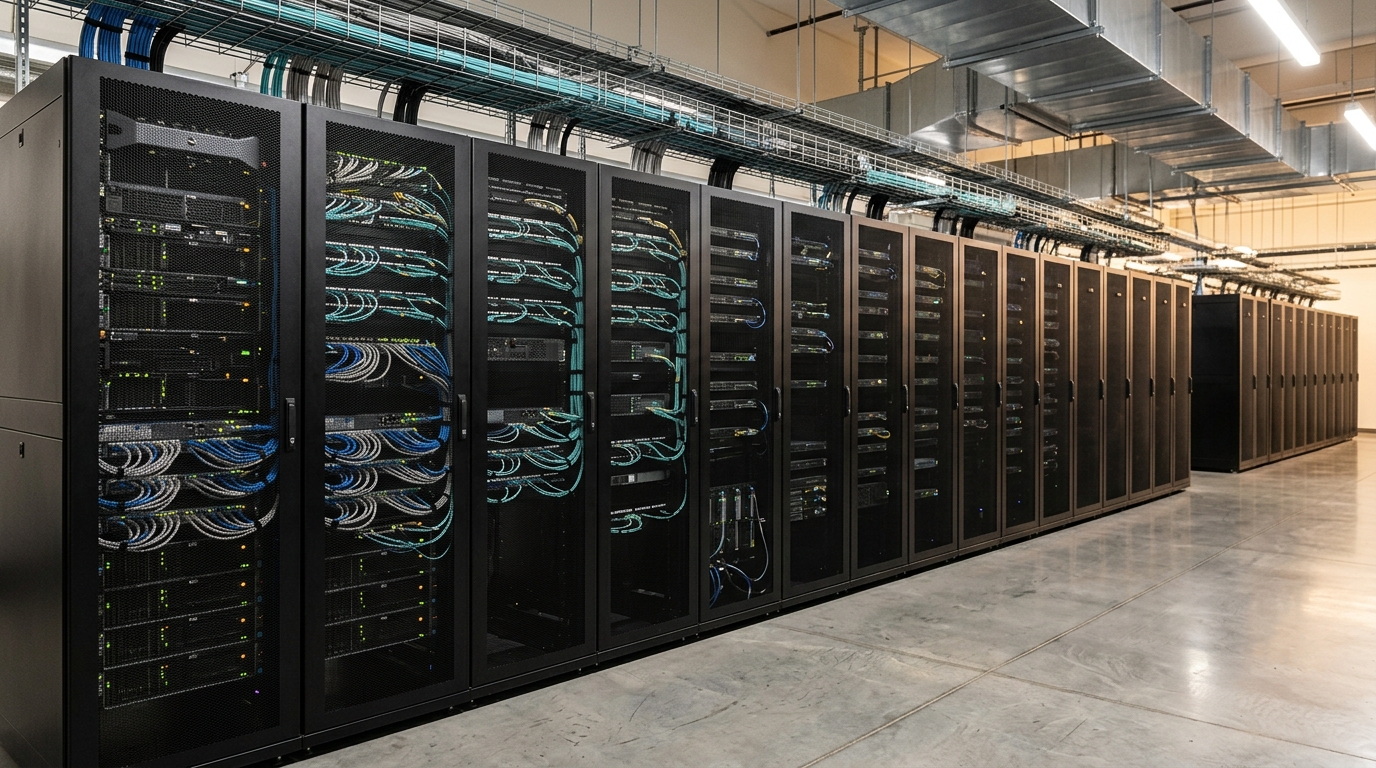
AI Workloads
Training & InferenceCompute Infrastructure
High-Density ClustersData Center Operations
Physical FacilityEnergy & Cooling
Thermal FeedbackIntelligent Monitoring
Telemetry StreamAutomated Optimization
Closed-Loop TuningCompute ➔ Power ➔ Cooling ➔ Efficiency
Workloads Dictate Electrical Draw
Modern AI workloads create sustained high-density processing requirements. Compute scheduling is the starting point that drives power consumption profiles.
Monitor ➔ Detect ➔ Analyze ➔ Decide ➔ Automate ➔ Report
Collecting electrical, thermal, storage, and network signals across physical infrastructure into a unified telemetry stream.
Seven Regional Planning Locations
Madurai infrastructure profile
75+ acres; 93+ acres
90 MW scalable
Unavailable for this region
Unavailable for this region
Direct carrier routing via BSNL, Airtel, Jio and Tata Communications; NH-44, Ring Road, ELCOT and the Madurai-Tuticorin corridor described
Planning references only; these fields do not confirm operating facilities, secured utility capacity, customer deployments, or measured performance.
Regional Network Guide
Illustrates GreenNext's regional digital infrastructure planning relationships; it does not represent verified physical network connections.
Select a map marker to explore the corresponding regional information.
Planning references only; regional locations do not confirm operational facilities or deployed infrastructure.
Regional Technology & Infrastructure Hub
Madurai is a commercial, educational, and logistics centre for southern Tamil Nadu. As digital compute demand grows beyond major metropolitan corridors, its geography can be evaluated as part of a more distributed infrastructure approach.
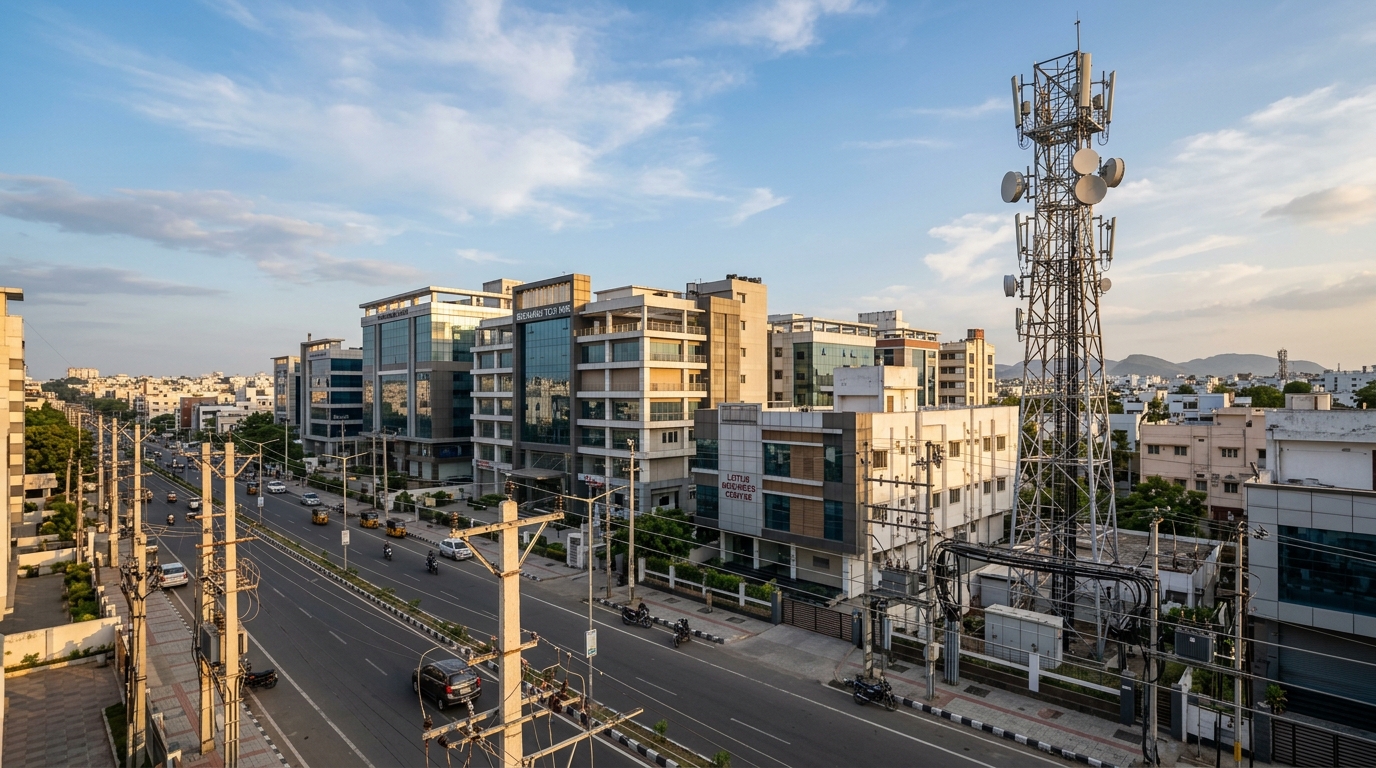
Within GreenNext's conceptual regional architecture, Madurai represents the southern anchor node. It is designed to evaluate regional edge compute distribution, reduce metropolitan backhaul transit latency for southern enterprises, and anchor disaster recovery compute capacity for coastal Tamil Nadu.
75+ acres; 93+ acres
Unavailable for this region
90 MW scalable
Unavailable for this region
230/110 kV substation described; HTML separately describes a 110 kV dedicated feed
2.2 MLD
Unavailable for this region
Unavailable for this region
Direct carrier routing via BSNL, Airtel, Jio and Tata Communications; NH-44, Ring Road, ELCOT and the Madurai-Tuticorin corridor described
20 minutes to Madurai International Airport
One Connected Operational Stack
Signals move in both directions: workload demand informs infrastructure sizing and configuration, while operational telemetry informs workload placement, pacing, and automation.
Compute Layer
High-density server hardware and accelerator clusters engineered for sustained high utilisation.
Workload instruction streams, network data batches
Processed output, electrical power draw, concentrated heat dissipation
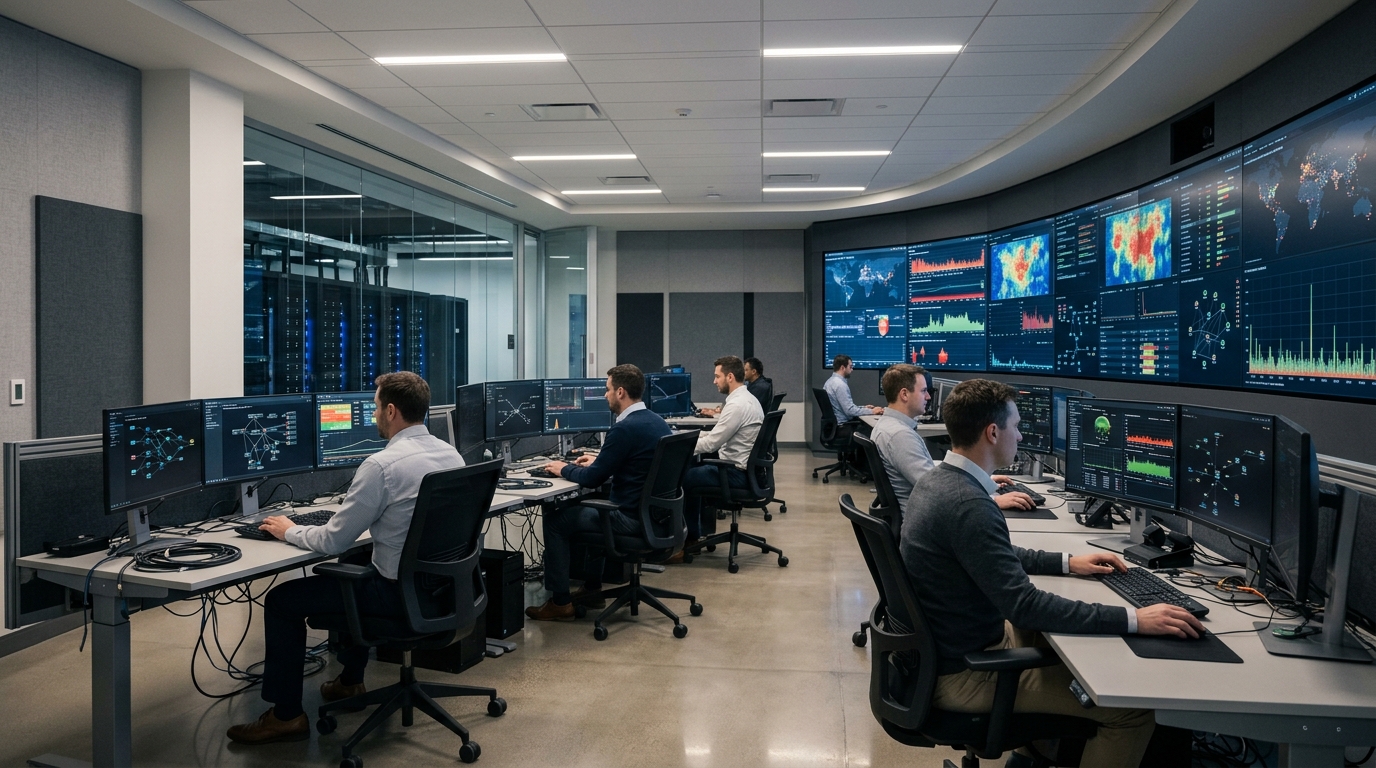
Regional Infrastructure Dashboard
A conceptual demonstration of the cross-region telemetry signals GreenNext aims to connect.
Madurai
Southern Anchor & Regional Service Node
Planning indicators
Values are illustrative planning signals; no live telemetry is connected.
24-Hour Operational Pattern (Illustrative Signal Curve)
Enterprise Infrastructure Use Cases
Data Center Energy Monitoring
In high-density AI and cloud compute environments drawing 40 kW to 100+ kW per rack, facility operators frequently lack granular, real-time power visibility at the sub-rack and branch circuit level. Monthly utility billing and aggregate substation meters arrive weeks too late and mask localized phase imbalances, harmonic distortions, and stranded electrical capacity — often forcing conservative 30–40% electrical over-provisioning. In foundation model training clusters and high-throughput transaction engines, unmonitored power swings risk tripping upstream circuit breakers or causing localized voltage sags.
Infrastructure Health Monitoring
Modern accelerated computing clusters pack dense silicon (700W+ GPUs and high-TDP host processors) into tightly coupled chassis where component degradation, fluid micro-leaks, optical transceiver attenuation, or fan degradation can escalate from a minor warning to catastrophic node failure within minutes. In large-scale distributed AI training runs, a single node hardware crash halts the entire multi-node AllReduce synchronization job, idling megawatts of compute and wasting expensive training hours.
AI Workload Management
Large-scale deep learning workloads exhibit extreme operational duality: distributed pre-training runs cause sustained multi-megawatt baseboard power draws and massive heat dissipation, while bursty batch inference generates instantaneous power step-changes (di/dt) that strain facility transformers and secondary fluid loops. Operating AI accelerators without real-time synchronization between cluster orchestrators (Slurm / Kubernetes) and physical facility cooling capacity risks localized thermal runaway, circuit breaker trips, or severe silicon thermal throttling.
Cooling Optimization
Cooling represents the largest variable auxiliary energy consumer in high-density data centers, frequently accounting for 25% to 40% of non-IT facility power. Fear of thermal throttling causes operators to maintain conservative safety buffers — running chillers at artificially depressed setpoints (e.g., 7°C chilled water) and pumping coolant at maximum volume regardless of compute utilization. In 40 kW to 100 kW+ racks utilizing hybrid air-liquid cooling, this uncalibrated operation wastes megawatts of mechanical power and strains regional water supplies through excessive cooling tower blowdown.
Capacity Planning
Infrastructure engineering teams face high financial and operational risks when expanding compute capacity. High-voltage utility substation interconnections require 24 to 48 months of lead time, while AI hardware generational shifts escalate power densities 3x to 5x every few years. Relying on spreadsheet extrapolations or delayed utility bills results either in costly over-provisioning (stranded electrical substations and underutilized chillers) or catastrophic under-provisioning where physical power and cooling limits choke compute expansion.
Anomaly Detection
Enterprise data center environments generate tens of thousands of sensory data points every minute across electrical switchgear, UPS batteries, cooling pumps, and server BMCs. Traditional static-threshold monitoring creates severe operational liabilities: thresholds set too tight flood Network Operations Centers (NOC) with hundreds of false alarms during normal bursty compute workloads, while thresholds set too loose fail to catch subtle multi-variate degradation (such as gradual coolant flow degradation paired with creeping return fluid temperatures).
Digital Growth Without Ignoring Resource Efficiency
"The goal is not to slow digital growth, but to ensure that growth is delivered as efficiently as the technology allows."
Energy-Aware Infrastructure
Infrastructure designed with energy visibility built in from the outset rather than added retrospectively.
Efficient Cooling
Cooling approaches evaluated against thermal-load assumptions and available operating data rather than theoretical worst-case buffers alone.
Resource Optimization
Identifying idle compute, overprovisioned cooling equipment, and underutilised network interfaces as part of resource planning.
Intelligent Workload Management
Scheduling and pacing compute tasks against available electrical and thermal headroom.
Infrastructure Visibility
Consolidated operational insight across physical and logical systems as a prerequisite for evaluating waste reduction.
Sustainable Digital Growth
Planning regional digital capacity with attention to energy and resource requirements as demand evolves.
From Understanding to Continuous Optimization
A three-stage operational cycle that keeps infrastructure aligned with evolving AI workloads.
Understand
Develop a detailed understanding of the infrastructure, workload, energy, and regional operational environment. Assess compute density and thermal profiles.
Intelligence
Apply telemetry, analytics, and AI-driven analysis where suitable to interpret operational states across the infrastructure stack.
Optimize
Use available operational insights to evaluate resource efficiency, cooling calibration, and reliability as workloads evolve.
Build the Next Generation of Digital Infrastructure
If you are involved in infrastructure planning, data center operations, AI workload management, or regional digital development across South India, we want to understand your requirements.