The Problem
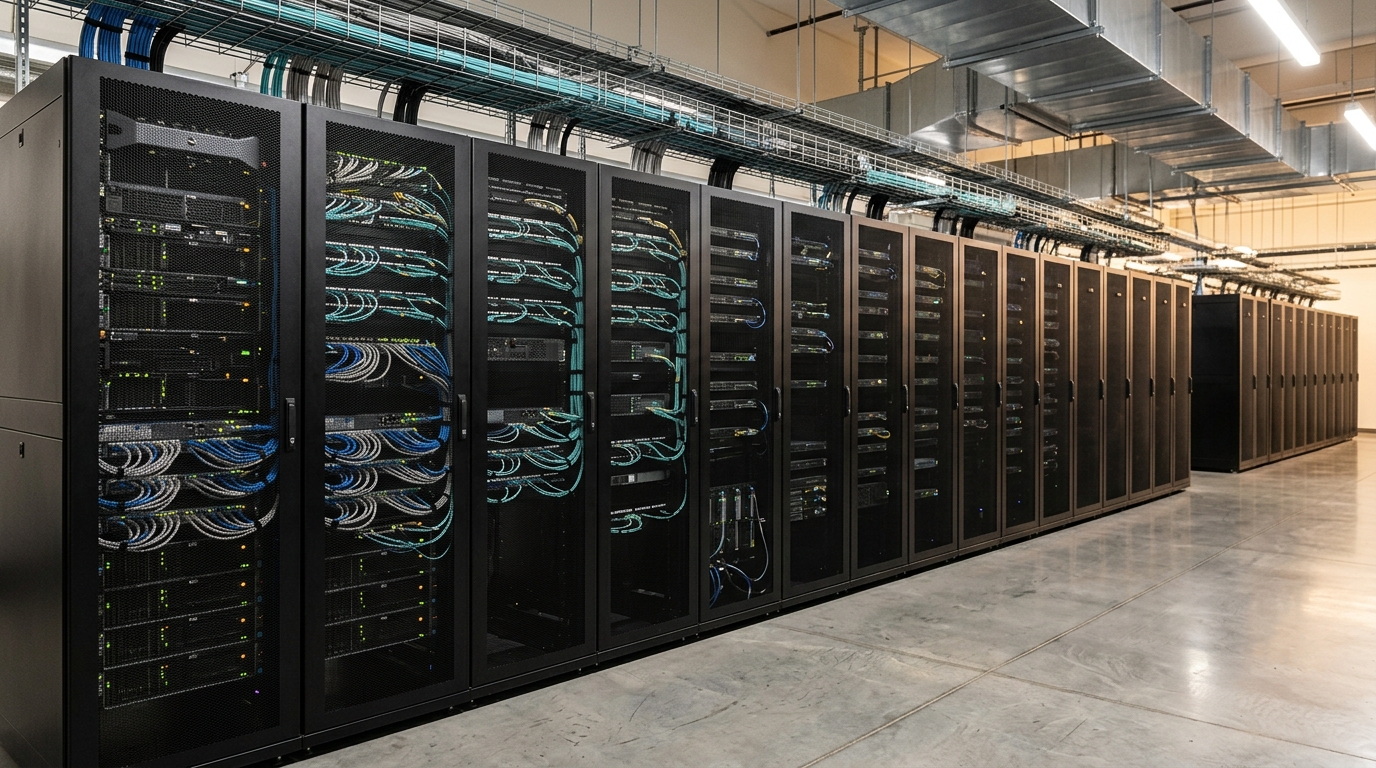
Large-scale deep learning workloads exhibit extreme operational duality: distributed pre-training runs cause sustained multi-megawatt baseboard power draws and massive heat dissipation, while bursty batch inference generates instantaneous power step-changes (di/dt) that strain facility transformers and secondary fluid loops. Operating AI accelerators without real-time synchronization between cluster orchestrators (Slurm / Kubernetes) and physical facility cooling capacity risks localized thermal runaway, circuit breaker trips, or severe silicon thermal throttling.
The GreenNext Approach
Telemetry-informed workload orchestration connects compute job queues with real-time facility thermal and electrical headroom signals. The framework evaluates secondary coolant supply temperatures, CDU heat exchange saturation, and rack power limits before dispatching high-TDP model training jobs. For deferrable batch workloads, scheduling algorithms model time-of-use electricity tariffs and grid carbon intensity signals, dynamically pacing compute execution to align with favorable thermal conditions and renewable power availability.
Expected Operational Value
Supports cluster operational stability and hardware protection, reducing thermal-induced job interruptions and maximizing compute throughput per megawatt-hour consumed. Factual boundary: Carbon-aware workload shifting and automated scheduler throttling represent conceptual reference frameworks and simulation models; live deployment requires direct integration with tenant cluster schedulers and facility BMS controllers.
Deploy AI Workload Management
Discuss your facility parameters and telemetry requirements with our engineering team to evaluate feasibility and implementation architecture.